Incredible Sights
Who hasn’t heard about the typical touristic claims of Spain, such as the fortress and castle La Alhambra in Granada, Antonio Gaudí’s unique church La Sagrada Familia in Barcelona, etc.. But there are so many other beautiful and historic monuments, towns, villages, natural parques, etc. Many of them are far less well-known, but equally worthwhile to be seen or visited, because Spain is full of history and strongly influenced by the romans and the moors.
There are charming destinies in less touristic places, far from the touristic turmoil and typical holiday resorts. They hide gorgeous beaches, bays, natural parques, lakes, forests, villages, etc.. Everybody knows the beauty of Mallorca, Tenerifa and the Costa del Sol, but have you ever heard of San Vicente de la Barquera, Luarca, Laredo, Cudillero, Castro Urdiales or of Frigiliana, Ronda and Casares? Everywhere on the shore as well as on the mainland there are incredible places, traditions and sights to be discovered and enjoyed.
Culinarian Tourism
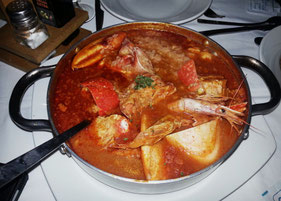
The Spanish kitchen offers much more than only Paella or Calamares fritos! The variety of the Mediterranean cuisine is enormous. They consume loads of fish, shellfish, mollusk, clam, rice dishes, meat and cold cuts, vegetables and leguminous plates, the spoon plates. Besides, the variety of Tapas is almost endless.
Spaniards spend many, many hours with tasting food and wine. The people are proud of their local, regional and national dishes. Many times they combine making national tourism with culinary tourism. In the South of Europe people take their time to enjoy food and wine, it is a question of lifestyle.
Without a base of garlic, olive oil and many times the spice pimentón (red pepper), it is difficult to imagine the special flavour of the Spanish kitchen.
Here in Spain people celebrate their cooks of the haute cuisine with a sincere admiration and they call them kindly “Maestro”. There are many great cooks and names to mention, such as Joan Roca, Andoni Mugaritz, Ferran Adrià, Juan Mari Arzak, David Muñoz, Dani García, Pedro Subijana o Angel León as some of the most famous ones on an international scale. But there are many others.
Traditions
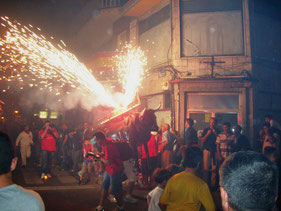
Spanish people enjoy their "Fiestas" and they have plenty of them:
Spring: Las Fallas in Valencia, La Feria de Abril in Seville, the Spanish Easter time called Holy Week or Semana Santa with many religious processions, San Isidro in Madrid.
Summer: The Moors and the Christians in Alicante, Las Fiestas de San Fermín in Pamplona, La Tomatina in Valencia, Las Fiestas de verano, celebrations
Autumn: La fiesta de la rosa de Azafrán in Consuegra
Winter: Christmas time and in Spain they celebrate their Feliz Navidad with the Belén, loads of turrón, and the Magic Kings, the celebration of Noche Vieja eating grapes and wearing something red for the good luck, Los Reyes Magos.
And there are thousands of other more or less important celebrations throughout the countryside that are embraced with desire to have fund a joyful time. And it is true, it is difficult to imagine those days without Flamenco, bulls, wine and Tapas.
Salamanca - UNESCO World Heritage
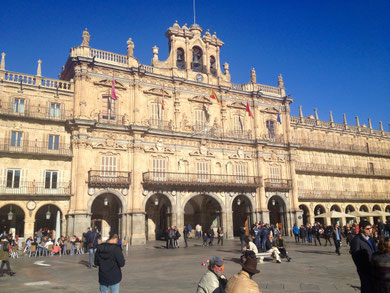
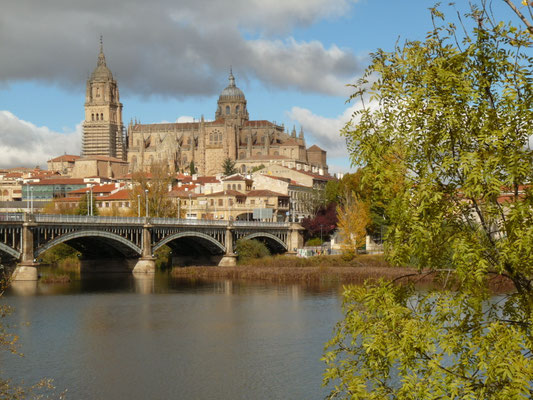
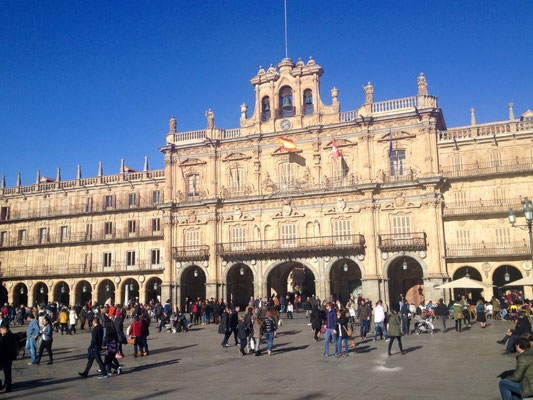
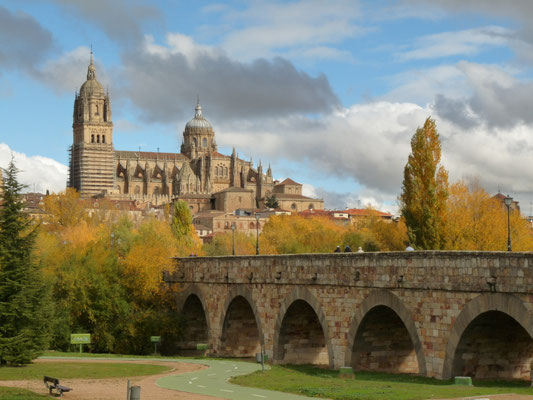
Salamanca - UNESCO World Heritage. It is one of the most beautiful towns of Spain. Spaniards also call Salamanca the "Golden City" due to the colour of its bricks. It's arquitecture covers a wide range of styles from romanesque, to gothic, to plateresque, to the churrigueresque. This town is loaded with arquitectural treasures:
- La Plaza Mayor - the Grand Place
- La Catedral de Salamanca - The old and new Cathedral of Salamanca
- La Casa de las Conchas - The house of Shells
- El Palacio de Anaya
- El Palacio de Monterrey
- El puente romano - the Roman Bridge
- La Universidad de Salamanca - The university of Salamanca
- The Convent of San Esteban
- The Convent de Las Dueñas
Curiosities and legends about Salamanca and it buildings:
- Try to find the anachronistic figure, an astronaut, in the facade of the Cathedral of Salamanca! This ironical detail belongs to an old tradition that when something old needs to be restored something contemporanean will be included (the astronaut dates from 1992)
- Try to find the frog sitting on a sculp in the facade of the university of Salamanca, if you do so, you will get married within one year.
- There is the legend that behind one shell of the house of shells is hidden a precious treasure, you will never know.
- In the past, some monks and nuns were tempted by their earthly desires and met through a tunnel that connected the Convent of San Esteban and the Convent of Las Dueñas - Please remember, it is only a popular legend.
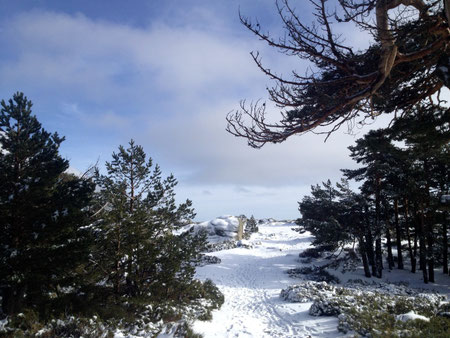
The Mountains of Madrid
San Lorenzo de El Escorial: y el Monasterio Real de San Lorenzo de El Escorial
Manzanares El Real: Al pie de la Sierra de Guadarrama se encuentra ese pequeño municipio de mucha belleza. Aquí esta el Castillo de los Mondoza, pegado al Embalse Santillana, también conocido como el embalse de Manzanares El Real.
El Valle de Lozoya: Las vistas hacia las montañas que rodean ese valle tienen una belleza espectacular
Rascafría: el Monasterio Real de Santa María de El Paular, es un monasterio cartujo, fundado en el año 1390.
Buitrago de Lozoya: El pueblo fue construido en un estilo gótico-mudéjar y data del siglo XV. El Castillo, la muralla, la iglesia y el puente de Arrabal son muy pintorescos.
El Parque Natural de la Pedriza, Cercedilla y Navacerrada, fueron construidos como lugares de tráfico de viajeros en los siglos XVII y XVIII. Sirvieron de zonas de caza y como Camino Real entre Castillos. Hoy en día hay muchas rutas de senderismo para los amantes de la naturaleza.El Palacio de La Granja de San Ildefonso está en las inmediaciones de la Sierra de Guadarrama aunque ya pertenecía a la localidad de Segovia y merece mucho la pena verlo.
The Spanish Wine tourism
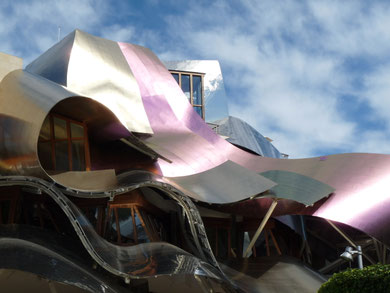
The Rioja Wines
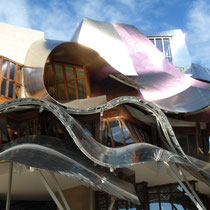
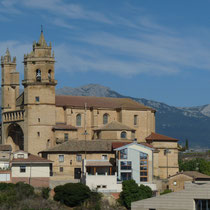
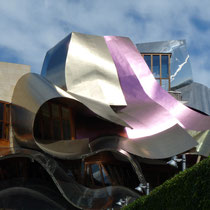
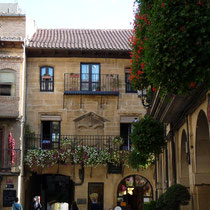
The Spanish enotourism is gaining more and more reputation and influence on an international scale. The Spanish wine growers are making huge efforts to convert their ancient tradition of wine making into a unique experience due to the enormous quality of their grapes within a ravishing countryside and impressive medieval villages, combined with old values and surprising arquitecture of old wine cellers.
Bodegas in the village Elciego: Bodega Marqués de Riscal, Diez-Caballeros, among others
Bodegas en Laguardia (Rioja Alavesa): Viña Real, Ysios, Eguren Ugarte, among others
El Valle del Jerte - The cherry tree valley of Extremadura
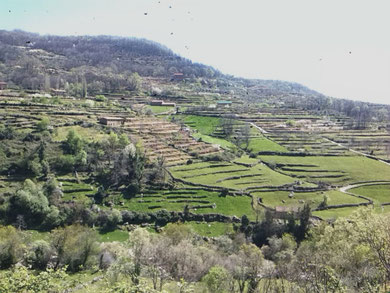
About 2.5 millions of cherry trees come into blossom in this particular valley, El Valle del Jerte, at the end of March until the beginning of May. You can enjoy this beautiful scenery, driving by car through the green mountains surrounding this valley in Extremadura.
Everywhere you it smells literally after the scent of the white cherry flower. There are four viewpoints, los miradores, from which you can appreciate this beauty of nature. The most spectacular one is maybe El Mirador del Puerto de Tornavacas, overlooking the entire valley in all its splendor.
Parting from Madrid you can pass the mountains, La Sierra de Gredos. There are several nice villages to spend the night, such as Cuacos del Yuste, in the region called La Vera. Here you can visit the medieval monastery, El Monasterio de San Jerónimo de Cuacos del Yuste.
On the way to the Valley El Jerte you will have amazing sights of hanging gardens crowded with cherry trees. In the valley itself there are different routes to walk along while watching this spectacular natural space. There is the route of Navaconcejo,very famous among the Spaniards, it enables you to listen to the waterfalls in La Garganta de las Nogaledas.
The costal villages in the North of Spain
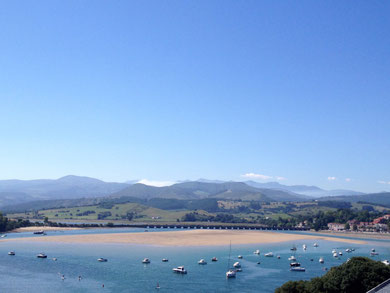
Almost all the fans of Spain know the Balearic and Canarias Islands as well
as the Costa del Sol and the Costa Brava, but how many other idyllic and paradisiacal bays, beaches and coastal villages also
called fishermen villages can be found in the North of the country.
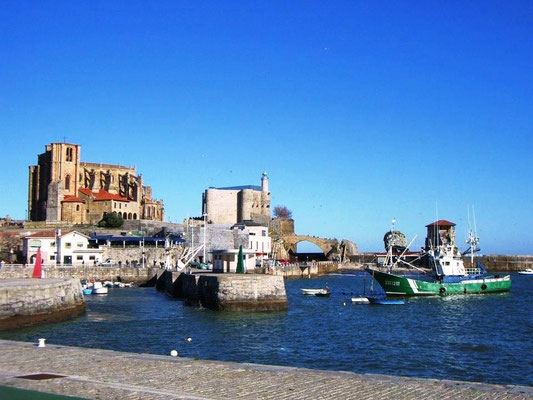
Those who would like to discover another side of Spain, with maybe less sun and some rainy days, but with incredible sights and the charm of the green highlands of the North, should travel to:
- Galicia: Combarro, Cedeira, Ribadeo
- Asturias: Cudillero, Luarca, Lastres
- Cantabria: Laredo, Vicente de la Barquera, Castro Urdiales,
- Bask Land: Bermeo, Mundaka, Hondarribia, Guetaria
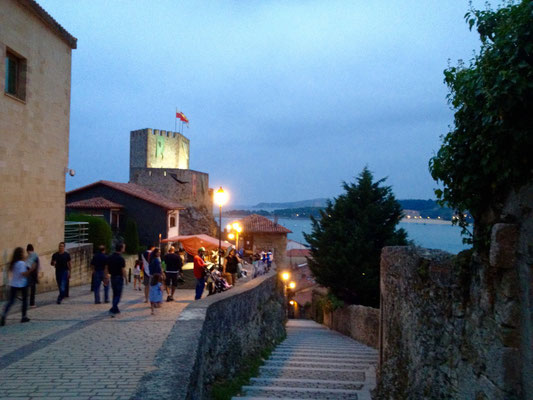
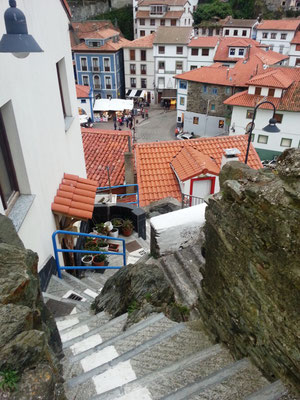
Travelling through the "White Villages" of Andalucia
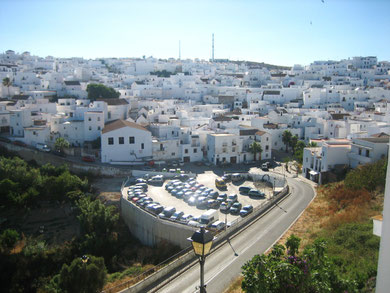
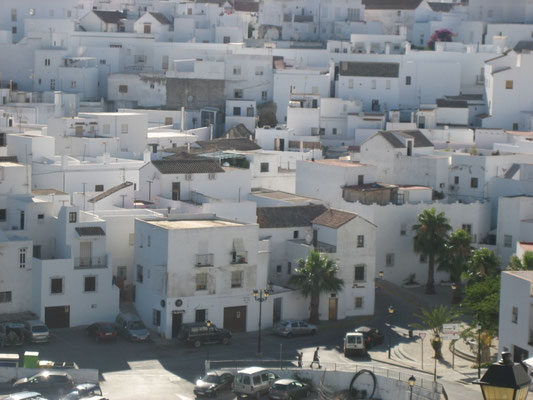
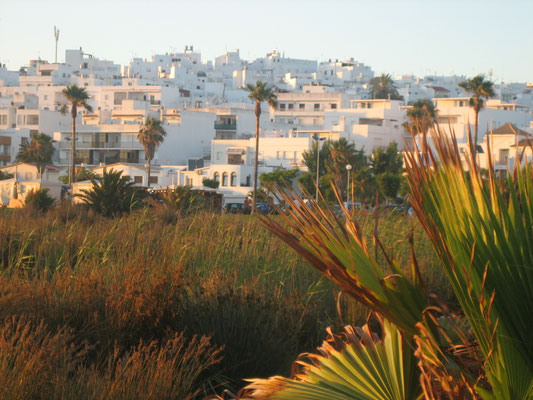
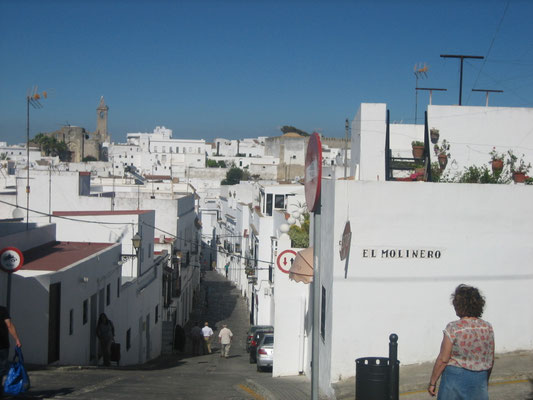
Many Andalusian villages started to upraise as fortresses as a symbol of the for centuries ongoing struggle of power between the Christians and the Moorish realms. They stand out in memory of age-old traditions, but especially due to their snow-white and light flooded facades of the houses.
Nowadays the battle some character of the inhabitants of the white villages, Los Pueblos Blancos, has been substituted by a very different purpose. People are dedicated to much more peaceful labours, mainly to thriving agriculture centres. Here they raise among others olive oil, wine, fruits and vegetables. Nonetheless, the particular charm and beauty of these places remains and there are different routes to visit:
- La Serranía de Ronda - Los pueblos blancos de Ronda
- Sierras de Cádiz - Los pueblos blancos de Cádiz
- Los pueblos blancos de Cádiz - Málaga
- La Ruta de Al-Idris
As usual, there are different routes you can travel along. Especially two white villages in Málaga, Frigiliana and Casares are incredebly beautiful, but there are many others to discover.
Following the Footprints of the ancient Rome - Extremadura
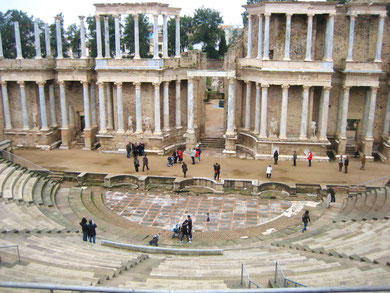
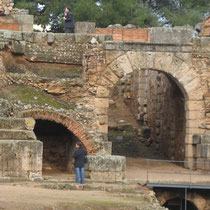
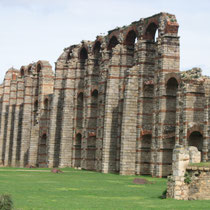
The ancient Rome has left lots of its traces throughout the entire country, but especially it has left its track in Extremadura.
Mérida:
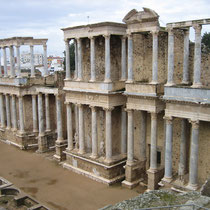
- The roman theatre, with classical music festivals in summer
- Amphi-theatre
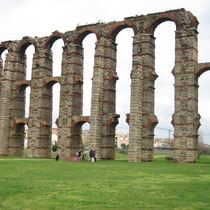
- Two roman bridges
- The National Roman Museum with impressive mosaics, a collection of coins, etc.
- The Rests of a roman Circus Maximus
Trujillo:
- La Plaza Mayor de Trujillo
- The castle and the church Santa María La Mayor
Cáceres: The downtown is declared Cáceres UNESCO-World heritage, this year it is Spains gastronomic capital (2015),The Real Monasterio de Nuestra Señora de Guadalupe, los aljibes, Historical Villages: Granadilla, Jerez de los Caballeros, El Valle del Ambroz, etc.,Natural Spaces: El Valle del Jerte, Parque Natural de Monfrague
Córdoba - Andalucia
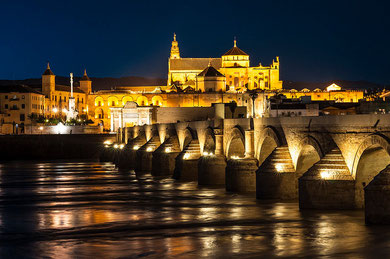
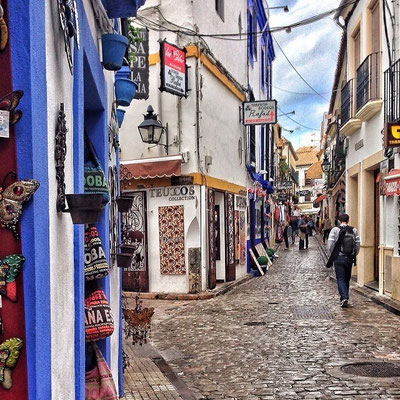
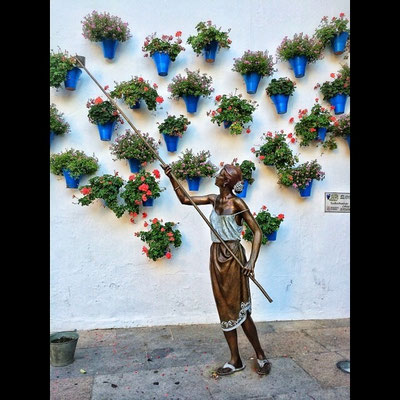
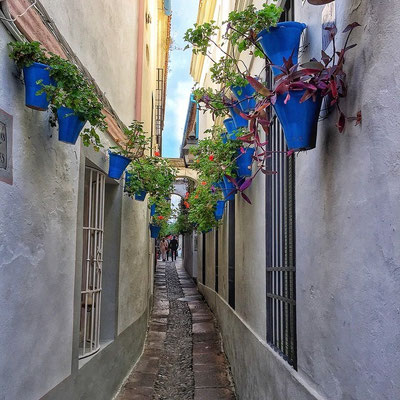
This incredibly beautiful town is over 2000 years old. In Córdoba you can sightsee and discover an almost unique culture where many centuries ago Christians, Jews and Muslims lived pacifically together.
- The Mosque of Córdoba
- The roman bridge of Córdoba
- Arabian Palace: Los Alcázares de los reyes Cristianos
- Medina Azahara
- Arqueological museum
- The museum of Julio Romero de Torres
- For a walk: el Puente Romano, el Arco del triunfo y la Calahorra
- La Plaza del Potro
- La plaza de la Corredera
Tasty Tapas can be found everywhere but especially in the historical district, La Judería, where you should try flemenquines (ham-cheese roles) and berenjinas fritas con miel.